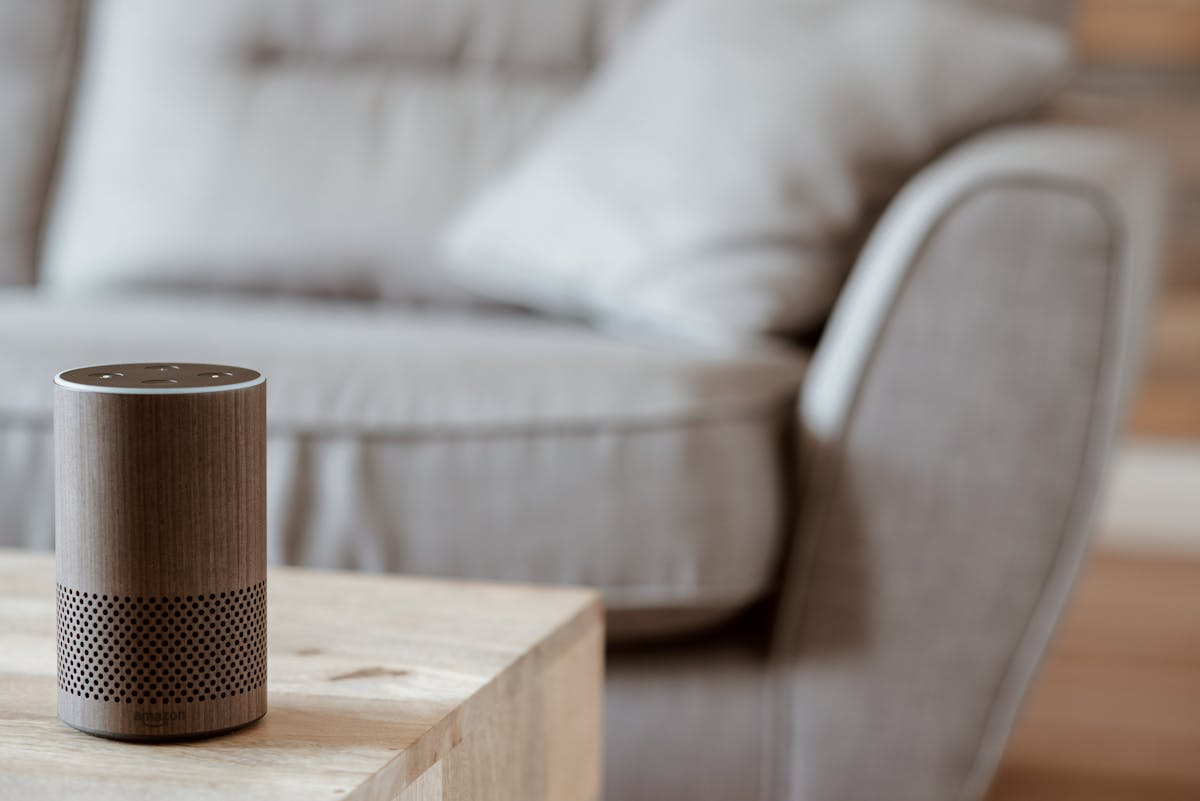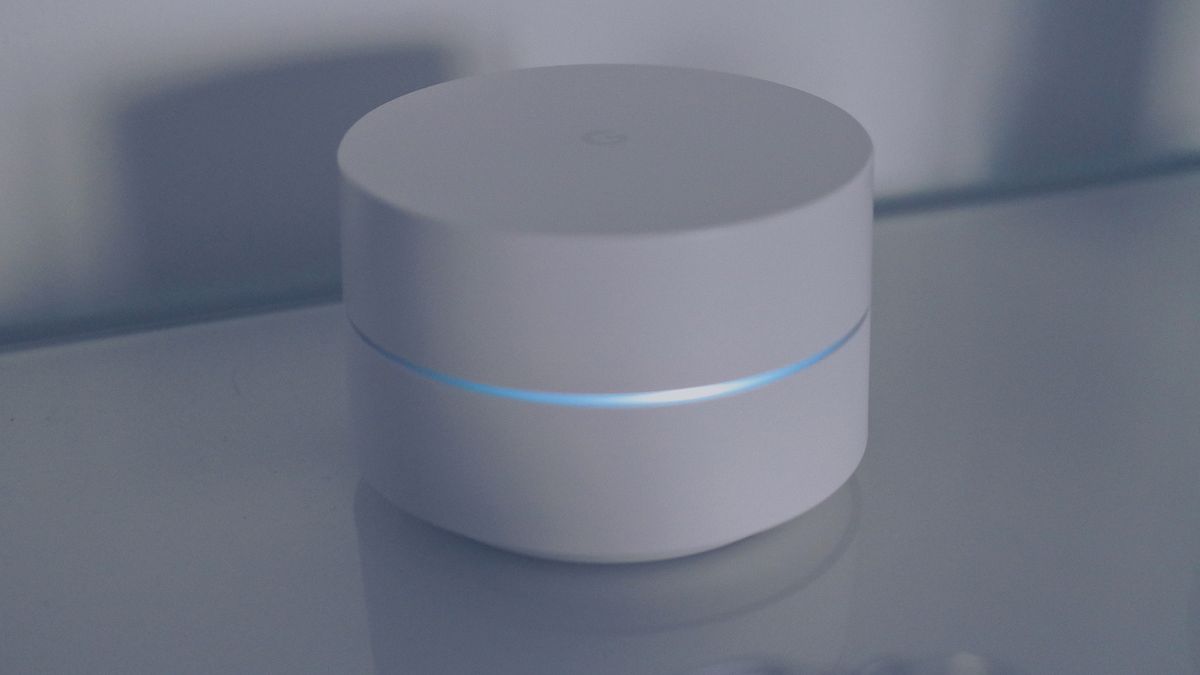
Amazon Echo vs Google Nest Audio is the classic mid-size smart speaker matchup. Both are built to fill a living room with music, answer questions, and run your smart home by voice, so the choice mostly comes down to sound character, ecosystem, and hub features.
We compared the Amazon Echo (4th Gen) and the Google Nest Audio using official specs, expert reviews, and patterns in owner feedback. Here is how to decide which one belongs on your shelf.
How We Picked
This comparison is based on manufacturer spec sheets, support documentation, expert reviews, and common themes in verified customer reviews. We did not run lab tests ourselves. We chose each company’s mainstream, full-size, screen-free smart speaker, since those two compete most directly.
Amazon Echo vs Google Nest Audio, At a Glance
| Speaker | Price | Best For | Our Rating |
|---|---|---|---|
| Amazon Echo (4th Gen) | Check price | Best for smart home control and bass | 4.5 / 5 |
| Google Nest Audio | Check price | Best for vocals and Google users | 4.4 / 5 |
Both speakers are often discounted during major sales, so check current listings before you buy.
1. Amazon Echo (4th Gen), Best for Smart Home Control
The Echo (4th Gen) is the stronger all-rounder, mainly because of what is inside the sphere. A built-in Zigbee hub lets it connect directly to many smart bulbs, sensors, and locks, which can save you from buying a separate bridge.
Sound comes from a 3-inch woofer and two 0.8-inch tweeters, with Dolby processing. Reviewers commonly describe it as having noticeably more bass and projection than you would expect from its size. Automatic room adaptation adjusts the output to your space.
It also has a 3.5 mm line-in/out jack, which is handy if you want to connect an older turntable or send audio to a larger system. A physical mic-off button gives you a clear privacy control.
The tradeoff is that you are in Alexa’s world. If your phone and home are built around Google services, some features will feel less natural.
Amazon Echo (4th Gen) Smart Speaker with Alexa
- 3-inch woofer and dual front-firing tweeters with Dolby processing
- Built-in Zigbee smart home hub for compatible lights, locks, and sensors
- Automatic room adaptation tunes sound to your space
- 3.5 mm line-in/out jack and a physical microphone-off button
As an Amazon Associate, HomeTechVerdict earns from qualifying purchases. Tap through for the current live price on Amazon.
2. Google Nest Audio, Best for Vocals and Google Households
The Google Nest Audio takes a more neutral approach to sound. It uses a 75 mm woofer and a 19 mm tweeter, and Google says it is tuned for clear vocals and balanced music. Reviewers often point to spoken-word content as a strength.
Media EQ adjusts the sound depending on what is playing, and the speaker adapts to the volume and ambient noise in the room. It is a good fit for podcasts, news, and everyday listening.
Google Assistant is the other big draw. It is generally praised for handling natural phrasing and follow-up questions, and it integrates well with Google Calendar, Maps, and YouTube Music.
The limits are on the hardware side. There is no Zigbee hub and no audio input jack. You can still control Wi-Fi and Matter-compatible devices, but it is less of a smart home control center than the Echo.
Google Nest Audio Smart Speaker
- 75 mm woofer and 19 mm tweeter tuned for clear vocals
- Media EQ adjusts sound to what you are playing
- Google Assistant with strong conversational follow-up questions
- Cast to the speaker and group it with other Google Home devices
As an Amazon Associate, HomeTechVerdict earns from qualifying purchases. Tap through for the current live price on Amazon.
Pros
- The Echo (4th Gen) has a built-in Zigbee smart home hub, so many bulbs and sensors pair without a separate bridge
- The Echo's 3-inch woofer and dual tweeters deliver fuller bass and room-filling sound
- The Nest Audio has a 75 mm woofer and 19 mm tweeter tuned for clear, natural vocals and podcasts
- Both support multi-room audio groups and stream from the major music services
Cons
- The Echo's sphere shape and 3.5 mm jack are nice, but it is a larger footprint than a basic Echo Dot
- The Nest Audio has no built-in smart home hub and no audio input jack
- Both speakers are tied to their own ecosystem, so switching assistants later means re-linking devices
- Neither speaker has a screen or clock display
Sound Quality: Bass vs Clarity
Both speakers are a clear step up from Echo Dot and Nest Mini class devices. The difference is character, not quality.
The Echo leans toward warmth and low-end punch. If you listen to pop, hip-hop, or electronic music at moderate volume, the extra bass tends to feel satisfying.
The Nest Audio leans toward clarity. Voices, acoustic instruments, and podcasts sound natural, and the bass is present without being heavy. Neither speaker replaces a proper stereo system, but each is good enough for a kitchen, bedroom, or small living room.
Both can be paired as a stereo set with a second matching speaker, which improves separation noticeably in a larger room.
Voice Assistant: Alexa vs Google Assistant
This is the real deciding factor for many buyers. Alexa excels at routines, shopping lists, and a very wide range of compatible devices. Amazon shoppers also get easy reordering and package updates.
Google Assistant is usually stronger on general questions, translations, and conversational follow-ups. It also fits neatly if you use Android, Google Calendar, or Nest cameras and thermostats.
If you already have lights or plugs set up with one assistant, stay with it. Moving everything to the other ecosystem is possible, but it takes time.
Smart Home Features and Privacy
The Echo’s Zigbee radio means you can pair compatible devices directly, which simplifies setup for Zigbee bulbs and sensors. Both speakers also support Matter, which makes cross-brand pairing easier over time.
On privacy, both companies let you review and delete voice history and turn off the microphone. The Echo has a physical mic button. The Nest Audio has a hardware mic switch on the back. Take a few minutes in each app to review your voice recording and personalization settings.
Everyday Use: Music, Routines, and Multi-Room Audio
Both speakers stream from the major services. Echo supports Amazon Music, Spotify, Apple Music, and more through Alexa, while the Nest Audio works with YouTube Music, Spotify, and others through Google Assistant. Check that your favorite service is supported before you commit.
Multi-room audio works well inside each ecosystem. You can group several Echo speakers for synced music, or group Nest Audio speakers with other Google Home and Chromecast devices. The two brands do not sync with each other, so a mixed setup means separate music in different rooms.
Routines are another practical difference. Alexa routines can trigger on a schedule, a sensor, or a voice phrase and chain many actions together. Google routines cover the same basics and are simple to set up, especially if you already live in the Google Home app.
Setup is easy on both. You plug in the speaker, open the Alexa or Google Home app, and follow the prompts. Most people are listening within a few minutes.
Who Should Skip Both
If you want a screen for recipes, video calls, or camera feeds, look at a smart display instead. If you only need voice control in a bedroom or office, a smaller and cheaper speaker may be all you need.
How to Choose Between Echo and Nest Audio
Start with your assistant. If you prefer Alexa or already own Echo devices, get the Echo. If you live in Google Home, get the Nest Audio.
Count your smart home devices. The more Zigbee gear you own, the more the Echo’s built-in hub is worth.
Think about what you play. Bass-heavy music favors the Echo. Podcasts and vocals favor the Nest Audio.
Check your ports. If you want a line-in or line-out connection, only the Echo offers it.
Our Verdict
For most people, the Amazon Echo (4th Gen) is the better buy. The built-in Zigbee hub, fuller bass, and audio jack give it more flexibility, and it is easy to justify for what it does.
The Google Nest Audio is the right call if you live in Google’s ecosystem and care most about clear vocals and natural conversation with your assistant.
Check the latest price on Amazon, since both speakers go on sale often. If you are building a wider smart home, pair this with a smart lock for your front door or a few smart plugs for Alexa.