Google Nest Mini vs Amazon Echo Dot is the first fork in the road for most people building out a voice-controlled smart home. Both are small, inexpensive speakers built to sit in a bedroom, kitchen, or hallway and handle timers, questions, and smart home commands without a phone in hand.
The two speakers look similar and cost about the same, but the voice assistant and smart home hardware inside each one point you toward a different ecosystem. We compared the current Google Nest Mini (2nd Gen) and Amazon Echo Dot (5th Gen) on sound quality, voice assistant behavior, smart home compatibility, and everyday usability.
Whichever one you start with tends to set the direction for every other device you add later, from your video doorbell to your smart plugs, so it’s worth getting this first pick right.
How We Picked
We compared official spec sheets and support documentation from Google and Amazon, along with patterns in verified owner reviews and independent audio testing from tech publications. We focused on the current generation of each speaker, the Nest Mini (2nd Gen) and Echo Dot (5th Gen), since those are the models most retailers stock today.
Google Nest Mini vs Amazon Echo Dot, At a Glance
| Speaker | Price | Best For | Our Rating |
|---|---|---|---|
| Google Nest Mini (2nd Gen) | Check price | Best for Google Assistant households | 4.6 / 5 |
| Amazon Echo Dot (5th Gen) | Check price | Best overall sound and smart home hub | 4.7 / 5 |
Prices move around often on both speakers, especially during Prime Day and holiday sales, so treat this table as a starting point rather than a fixed number.
1. Google Nest Mini (2nd Gen), Best for Google Assistant Households
The Google Nest Mini is the natural pick if your household already leans on Google Assistant, Nest cameras, or a Chromecast-equipped TV. It slots into that ecosystem without any extra setup, and Google Assistant’s ability to handle a follow-up question without repeating “Hey Google” first still holds up well against Alexa.
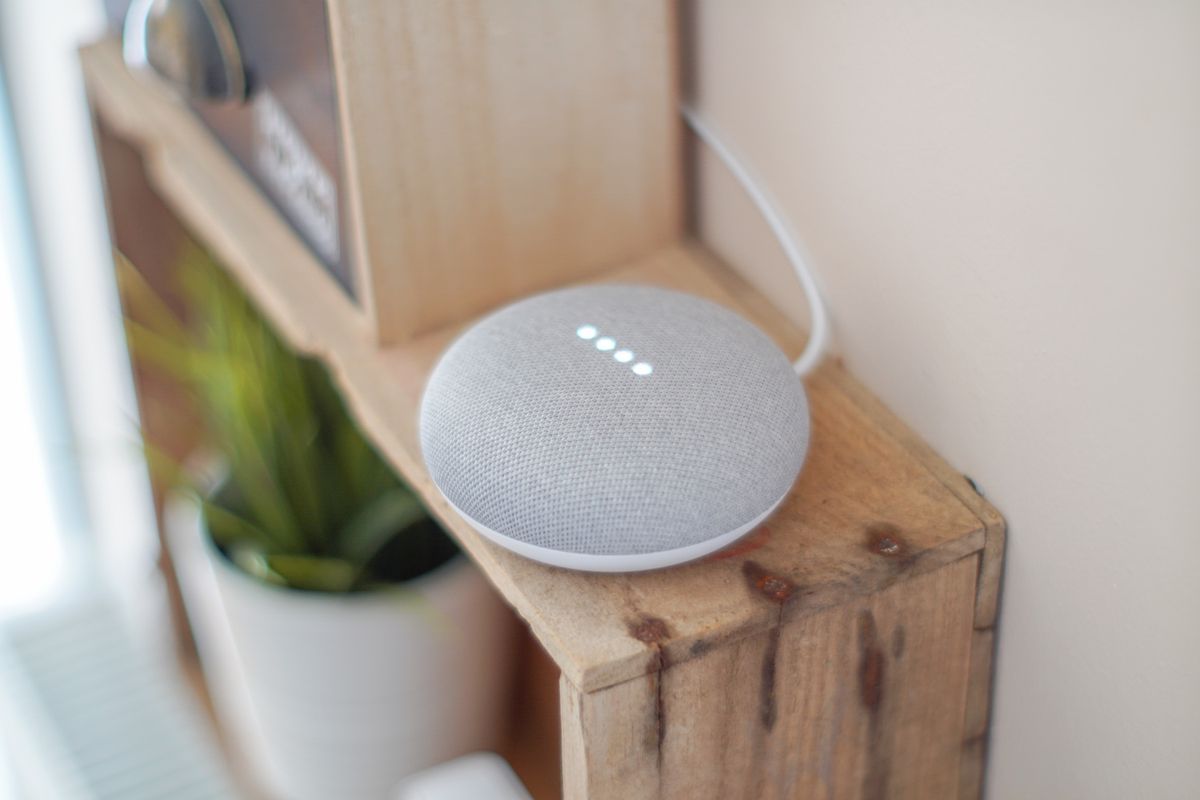
Google upgraded the internal driver over the original Home Mini, adding noticeably fuller bass, though it’s still the smaller of the two drivers compared here. The three-LED status lights on top and a physical mute switch on the side keep the basics simple, and a keyhole slot on the underside lets you mount it to a wall if shelf space is tight.
Where the Nest Mini pulls ahead is casting. Since it’s Chromecast-enabled out of the box, you can throw music, podcasts, or a playlist from your phone onto it, or group it with other Chromecast speakers for whole-home audio, without buying a separate streaming device.
Smart home control is more limited without extra hardware, though. The Nest Mini itself doesn’t include a Zigbee or Thread radio, so it depends on Wi-Fi-connected smart devices or a separate Nest hub for that layer of local, low-latency control. For a household already centered on Google Home and Wi-Fi smart devices, that’s rarely a dealbreaker, but it’s worth knowing going in.
The fabric-wrapped, pebble-shaped design is compact enough to tuck onto a nightstand or a kitchen counter without drawing attention, and the physical mute switch on the back gives a hardware-level way to cut the microphone when privacy matters. Setup runs through the Google Home app, which walks you through Wi-Fi pairing and room assignment in a few minutes, and the same app becomes the control center for any other Nest or Google Home devices you add later.
Google Nest Mini (2nd Gen)
- 40mm speaker driver with noticeably fuller bass than the original Home Mini
- Built-in Google Assistant handles natural follow-up questions without repeating a wake word
- Wall-mountable with a keyhole slot on the underside, so it doesn't have to sit on a shelf
- Works as a Chromecast target, letting you cast music or podcasts from your phone with a voice command
As an Amazon Associate, HomeTechVerdict earns from qualifying purchases. Tap through for the current live price on Amazon.
2. Amazon Echo Dot (5th Gen), Best Overall Sound and Smart Home Hub
The Echo Dot (5th Gen) is the stronger all-around speaker, and it’s the easier recommendation for most people picking a first smart speaker. Amazon redesigned the internal driver in this generation, and the fuller mid-range and bass are consistently the first thing reviewers mention compared to older Dots and the Nest Mini alike.
Alexa still handles the basics well: timers, reminders, weather, and smart home routines, all without reaching for a phone. The built-in Zigbee and Thread hub is the bigger differentiator, letting the Echo Dot control compatible smart locks, lights, and sensors directly, without a separate hub device taking up an outlet.
Selected versions add a built-in temperature sensor, so Alexa routines can react to the room’s actual conditions instead of a fixed schedule. Drop-in and intercom features make it easy to talk between rooms if you own more than one Echo device, and multi-room music grouping works smoothly across the whole Echo lineup.
The tradeoff is that the Echo Dot nudges you toward Amazon’s own services, Amazon Music in particular, more than a neutral speaker would. If your smart home already includes several Alexa-first devices like Ring doorbells or Kasa plugs, though, the Echo Dot is the speaker that ties everything together with the least friction.
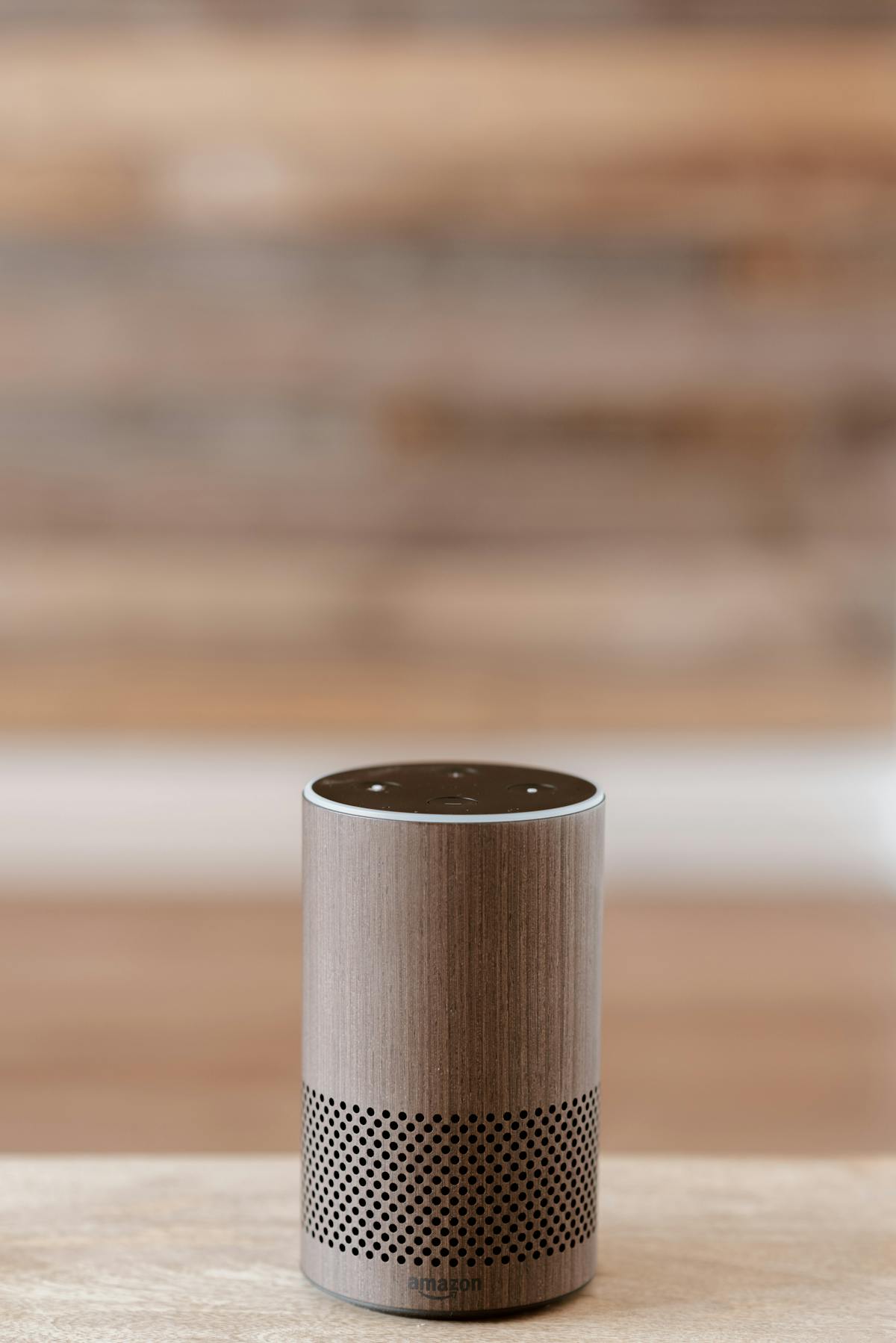
Amazon’s rounder, fabric-covered design also carries a physical microphone-off button on top, a straightforward way to disable listening when you want it. Setup happens through the Alexa app, and once it’s connected, the same app manages every other Echo speaker, smart plug, or camera you add to the account, which keeps routines and voice groups consistent as the household grows.
Amazon Echo Dot (5th Gen)
- Redesigned front-firing driver produces fuller mid-range and bass than earlier Dots
- Built-in Zigbee and Thread hub controls compatible smart locks, lights, and sensors directly
- Alexa handles voice calls, drop-in intercom to other Echo devices, and multi-room music groups
- Selected versions add a built-in temperature sensor for routines based on room conditions
As an Amazon Associate, HomeTechVerdict earns from qualifying purchases. Tap through for the current live price on Amazon.
Pros
- Both speakers cost little enough to put one in nearly every room without a big budget hit
- The Echo Dot's redesigned driver delivers noticeably fuller mid-range and bass than the Nest Mini's smaller speaker
- The Nest Mini pairs naturally with Chromecast and Nest cameras, and Google Assistant handles conversational follow-up questions better than Alexa
- Both work as a voice remote for casting or streaming audio to other speakers in a multi-room group
Cons
- Neither speaker doubles as a serious living-room speaker on its own, both are built for voice first
- The Nest Mini has no dedicated smart home radio built in, so it leans on Wi-Fi devices or a separate Nest hub for Zigbee and Thread
- Alexa's third-party skills library is larger, but many skills are inconsistent in quality compared to Google's more curated actions
Google Assistant vs Alexa: Which Voice Assistant Is Smarter?
This is really the core of the Nest Mini vs Echo Dot decision, since the hardware differences are secondary to which assistant you’ll be talking to every day. Google Assistant generally handles natural, conversational phrasing better, including follow-up questions that reference something you just asked without needing to repeat the wake word.
Alexa counters with sheer scale. Its skills library is larger, and its integration with third-party smart home brands is broader and, in most cases, more reliable out of the box, especially for locks, cameras, and plugs that advertise direct Alexa support. Amazon has also built more of that smart home control straight into the Echo Dot’s hardware rather than requiring extra accessories.
Neither assistant is a clear technical winner across the board. The more useful question is which ecosystem your other devices already use, since switching later usually means re-pairing routines and accounts, not just plugging in a new speaker.
How to Choose Between the Nest Mini and Echo Dot
Start with the smart home devices you already own. If your cameras, plugs, or locks are Alexa-first, the Echo Dot keeps everything under one app and one set of routines. If you’re already on Nest cameras or Google Home, the Nest Mini is the more natural fit.
Think about how you stream music. The Nest Mini’s built-in Chromecast support makes casting from a phone especially simple. The Echo Dot leans more toward Amazon Music and voice-first playback, though it supports major third-party music services too.
Decide how much local smart home control matters. The Echo Dot’s built-in Zigbee and Thread hub controls compatible devices directly. The Nest Mini needs Wi-Fi smart devices or a separate Nest hub to get similar local control.
Consider sound quality if you’ll use it for music. The Echo Dot’s redesigned driver delivers noticeably fuller sound for casual listening. If the speaker is mainly for voice commands and quick answers, this matters less.
Our Verdict
For most people picking a first smart speaker, the Amazon Echo Dot (5th Gen) is the better buy. It sounds fuller, its built-in Zigbee and Thread hub adds real smart home value, and it fits neatly into the largest smart home device ecosystem on the market.
The Google Nest Mini is still a smart choice, and it’s the more natural fit if your home already runs on Google Assistant, Nest cameras, or Chromecast. Its conversational assistant and effortless casting are real advantages for the right household.
Check the latest price on Amazon before you decide, since bundle deals with other Echo or Nest devices can change the math. If you’re rounding out a growing smart home, take a look at our guides to the best smart plugs for Alexa and the best smart display for the kitchen.